
Rukayat Ajana reflects on ECOWAS career and future goals
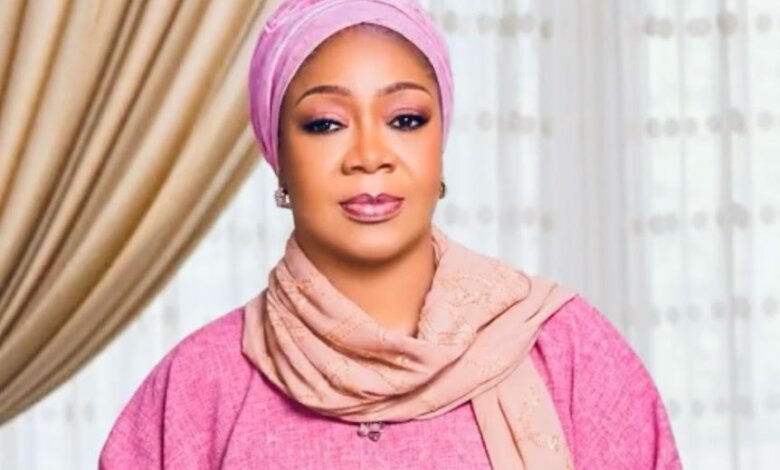
Madame Rukayat Ajana, a Nigerian international public-service professional with more than 24 years of experience at the Economic Community of West African States (ECOWAS), is preparing for a new chapter focused on institutional development, strategic leadership and mentoring the next generation of African professionals.
Madame Rukayat, who hails from Okene in Kogi State, Nigeria, has built a career shaped by international exposure, multilingual communication and a commitment to regional cooperation. Having studied and worked in Nigeria and France, she brings experience in language services, international administration, diplomatic protocol, programme coordination and institutional management.
Her interest in languages and cultural diversity began in childhood. Growing up in a family characterised by interethnic marriages, she learned to appreciate cultural differences as opportunities for connection rather than barriers. Her parents also played significant roles in shaping her professional values.
Her father’s career in the civil service instilled in her a respect for discipline and public service, while her mother’s entrepreneurial activities and community engagement provided an example of resilience and independence.
Although Madame Rukayat Ajana initially aspired to study Economics, she eventually pursued language studies, earning a second bachelor’s degree specialising in commercial translation. Her academic interests remained connected to economics through coursework in macroeconomics and microeconomics and subsequent postgraduate research.
Her early professional experience as an English-speaking trainer at École Supérieure de Vente (Sup de V), a business and management school in Saint-Germain-en-Laye, France, exposed her to multicultural training and mentoring. She worked with young adults on business management, strategy, performance improvement and corporate social responsibility, experiences that strengthened her interest in international service.
Her eventual appointment at ECOWAS came through the encouragement of Mrs. Halima Ahmed, the first Secretary General of the ECOWAS Parliament, who recognised her potential and urged her to join the institution.
During her more than two decades at ECOWAS, Madame Rukayat contributed to the development of language services supporting the work of the Parliament and its stakeholders. As a pioneer staff member, she helped establish the Language Division and develop the systems and working processes that continue to support its operations.
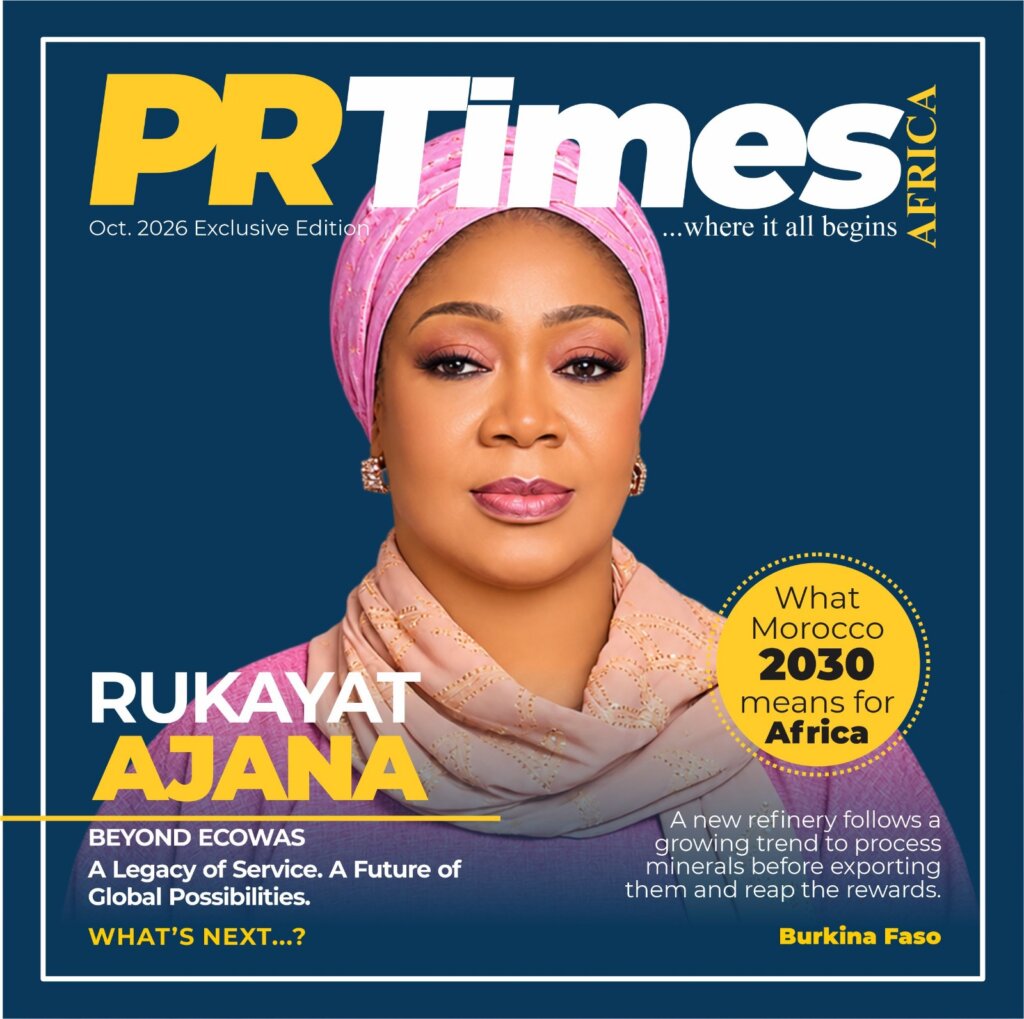
One of her early career milestones was coordinating language services for statutory meetings with a team of approximately 24 translators, interpreters and bilingual secretaries. The responsibility strengthened her leadership and operational management skills while reinforcing the importance of effective communication in regional cooperation.
For Madame Rukayat, however, one of the most rewarding aspects of her career has been mentoring colleagues. She takes particular pride in seeing staff members who began their professional journeys under her supervision advance to important positions within the institution. She has also received an institutional award in recognition of her commitment and service.
Her experience working in a politically complex environment taught her the importance of diplomacy, tact, emotional intelligence and sound judgement. These lessons have informed her leadership approach, which emphasises respect for diversity, consensus-building, professional discipline and the development of people.
Reflecting on the future of regional integration, Madame Rukayat identifies several challenges confronting ECOWAS and West Africa. These include low levels of intra-regional trade, infrastructure deficits, political instability, insecurity and terrorism. She also points to the withdrawal of the Alliance of Sahel States (AES) countries from ECOWAS as a significant challenge to regional cooperation.
She believes addressing these concerns will require stronger political will, institutional accountability, improved coordination among member states and renewed commitment to regional integration. Dialogue, credible electoral processes, respect for the rule of law, better infrastructure and the effective implementation of regional protocols are among the measures she considers essential.
Ultimately, she argues, regional integration must deliver tangible benefits to ordinary West Africans through greater economic opportunity, stronger institutions and improved cooperation.
As she approaches retirement, Madame Rukayat Ajana does not regard the transition as the end of her professional journey. Instead, she sees it as an opportunity to apply her accumulated experience in new ways, including consultancy, senior advisory roles, programme leadership and institutional development.
She is particularly interested in opportunities with intergovernmental organisations, international non-governmental organisations, development agencies, regional institutions and other organisations seeking to strengthen their operations and partnerships.
She also sees potential to contribute to institutions such as the United Nations and the African Union, drawing on her experience in regional governance and international cooperation.
Mentoring and knowledge transfer will remain central to her plans. Madame Rukayat believes African institutions must do more to preserve the knowledge and practical experience of professionals as they retire or move into new roles.
Through mentoring programmes, professional training, coaching and knowledge-sharing initiatives, she hopes to help younger professionals develop the confidence, judgement and discipline required to lead effectively.
After more than 24 years of service at ECOWAS, her broader ambition is to contribute to institutional transformation and sustainable development by connecting regional priorities with global development frameworks, particularly in trade, conflict resolution and operational leadership.
For Madame Rukayat Ajana, the measure of a successful career is not simply the position one holds, but the value created, the people empowered and the institutions strengthened. She hopes to build on her experience in international public service to support more effective institutions and prepare the next generation of African leaders for the responsibilities of leadership.
Source: PR Times Africa