Kenyan prisons turn chess into a tool for rehabilitation
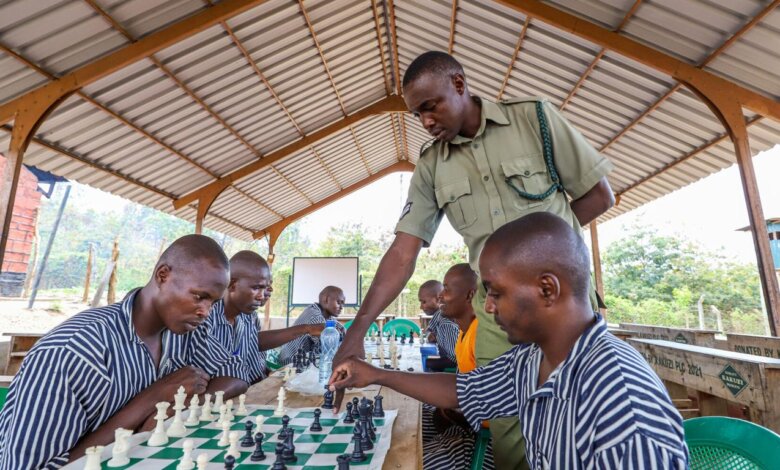
Inside Kenya’s prisons, a game traditionally associated with classrooms, clubs and competitions is taking on a different role of rehabilitation. Chess is now being used across the country’s correctional system as part of efforts to encourage patience, critical thinking, decision-making and social interaction.
The initiative, which began in some Kenyan prisons in 2022, has expanded significantly in recent years. According to the Associated Press, chess is now played across Kenya’s prison system, with the programme supported by the Kenyan government, the International Chess Federation (FIDE), Chess Kenya and The Gift of Chess.
At Maranjau Prison in Murang’a County, prisoners play chess during their free time alongside prison officers. Some officers have also received training as chess coaches, creating opportunities for inmates and guards to interact in a less formal environment. Prison officials say the game can help inmates develop skills that are useful for their eventual return to society.
“Chess has become one of our integral programs,” Superintendent Humphrey Young of Maranjau Prison told the Associated Press, explaining that the game can help prisoners improve their problem-solving abilities and learn to think through issues they may encounter after release.
Brian Gatonye, a 27-year-old prisoner serving a sentence for assault, told AP that chess had taught him to remain calm and consider the consequences of his decisions before acting.
Other prisoners described the game as a way to occupy their minds, build friendships and find a sense of peace while serving their sentences. The use of chess in Kenya’s correctional system is part of the broader Chess for Freedom initiative associated with FIDE.
Kenya’s State Department for Correctional Services formally launched its participation in the FIDE Intercontinental Online Chess Championship for Prisoners in 2024. At the time, the department said chess was being promoted to expand sporting activities in prisons, showcase inmates’ talents and encourage patience among people undergoing rehabilitation.
The department also highlighted skills such as relationship building, communication, critical thinking, problem-solving and accepting responsibility as potential benefits of the programme.
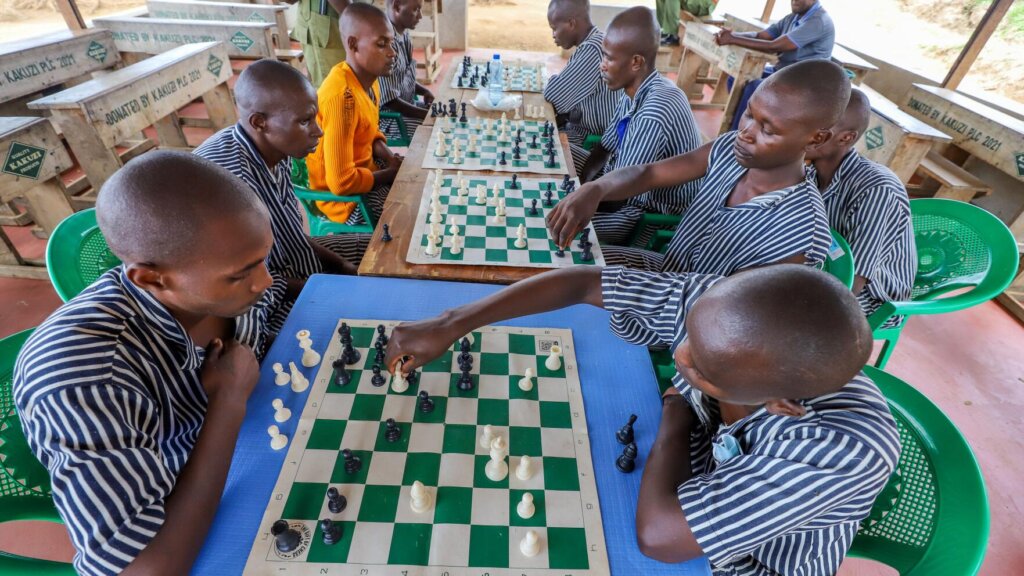
Kenya subsequently participated in the international prison chess championship, fielding teams in the open, women’s and youth categories in 2024. Chess Kenya has described the programme as part of efforts to promote cognitive development, mental well-being and social reintegration among incarcerated people.
The initiative is also connected to a wider shift in Kenya’s correctional policy toward rehabilitation and reintegration. The Kenya Prisons Service says its mandate includes facilitating the rehabilitation of sentenced offenders for eventual reintegration into the community.
However, there is an important limitation to claims about chess transforming prison behaviour. The long-term impact of Kenya’s prison chess programme on behaviour or rates of reoffending has not yet been independently studied, according to AP.
Its rehabilitative value is therefore best understood as a promising component of a broader correctional programme rather than a proven solution to recidivism. FIDE has continued to expand the international Chess for Freedom programme.
The sixth Intercontinental Chess Championship for Prisoners is scheduled for October 13–15, 2026, bringing correctional institutions from different countries together for another international competition.
Written by Abeeb Lekan Sodiq for TheAfricanDream®