Africa’s influence on soccer in the United States
For most of the twentieth century, soccer in the United States was an afterthought; enthusiastically played in youth leagues and immigrant communities, but perpetually overshadowed by American football, baseball and basketball.
That story has changed. Today, the United States stands on the verge of co-hosting the biggest sporting event on the planet, and at the heart of its soccer revolution is a thread that runs quietly but powerfully through the sport’s American history: Africa.
Soccer’s professional history in America is a story of false starts. The North American Soccer League briefly captured the public imagination in the 1970s before collapsing in 1984. The real turning point came in 1994, when the United States hosted the FIFA World Cup; a commercial triumph that introduced millions of Americans to the sport at the highest level.
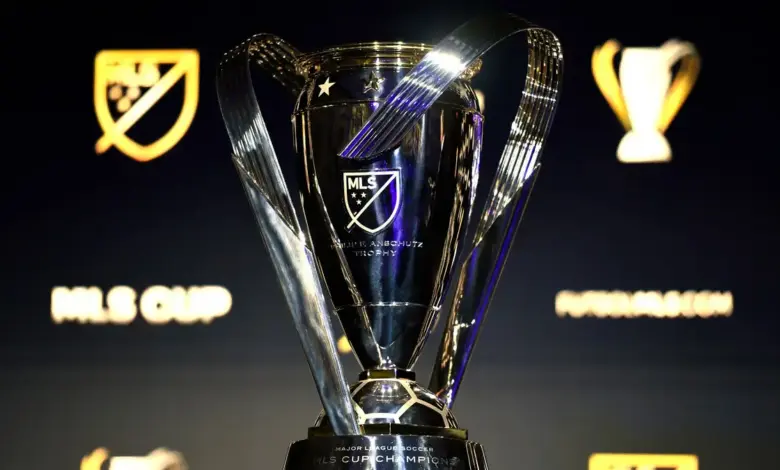
Major League Soccer (MLS) was born two years later, and the growth since has been extraordinary. From ten founding clubs, Major League Soccer has expanded to 30 teams, with purpose-built stadiums, lucrative television deals and a quality of play that now attracts world-class talent from across the globe. Among that global talent, Africans have played a role that is as significant as it is often underappreciated.
African players began arriving in MLS in meaningful numbers in the late 1990s and early 2000s. One of the earliest symbols of that connection was Freddy Adu. He was born in Ghana and raised in America. At 14 Fred Adu became the youngest player ever to sign a professional contract in American sport when he joined DC United in 2004. As MLS matured, African representation grew steadily.
Players from Senegal, Cameroon, Nigeria, Ghana and the Ivory Coast brought with them a style of play that combined technical skill with physical intensity, raising the bar for everyone around them and prompting coaches to actively recruit across the continent.
The impact went beyond the pitch. In cities with significant African diaspora populations, Washington DC, Minneapolis, Columbus, Atlanta, African players created genuine emotional connections between clubs and communities that had previously had little reason to follow professional soccer. The game became, in small but meaningful ways, a bridge.
The African presence in MLS today is deeper and more prominent than at any point in the league’s history. Dénis Bouanga of Los Angeles FC, a Gabonese forward with explosive pace and clinical finishing, has established himself as one of the most exciting players in the league, a reminder that MLS is no longer a stepping stone for African talent but increasingly a destination.
Senegalese players have become a particular feature of the league’s landscape, while players from Cameroon, Nigeria, Ivory Coast and Mali continue to feature across rosters from coast to coast.
The story of African footballers in America is not exclusively a men’s story. In National Women’s Soccer League (NWSL), widely regarded as the world’s strongest women’s club competition, African players are increasingly making their presence felt.
Nigeria’s Super Falcons have seen players pursue club careers in the United States, while South Africa’s Thembi Kgatlana represents a generation of African women for whom the NWSL is both a professional destination and a global platform. As investment in the league grows, African women’s talent is only likely to become a more prominent feature of American women’s football.
The 2026 FIFA World Cup, co-hosted by the United States, Canada and Mexico will be the largest in the tournament’s history, expanded to 48 nations across 16 cities. Africa has been allocated nine spots in the expanded field, and nations like Morocco, Senegal, Nigeria, Egypt and Cameroon will arrive with genuine ambitions.
Morocco’s historic run to the semi-finals in Qatar in 2022 raised the bar and the expectations of an entire continent. For African players based in MLS and the NWSL, the tournament represents a powerful moment of convergence; the league they play in, the country they call home professionally, and the continent that shaped them all meeting on the same stage.
Some will represent their African nations in front of the American fans who have watched them all season. Others will face the deeply personal question of which flag to carry when the stakes are highest.
Either way, when the World Cup kicks off on American soil in the summer of 2026, Africa’s contribution to the story of soccer in this country will be part of the reason the game matters at all.
Written by Kweku Sampson