9th Pan-African Congress declaration urges renewed African identity
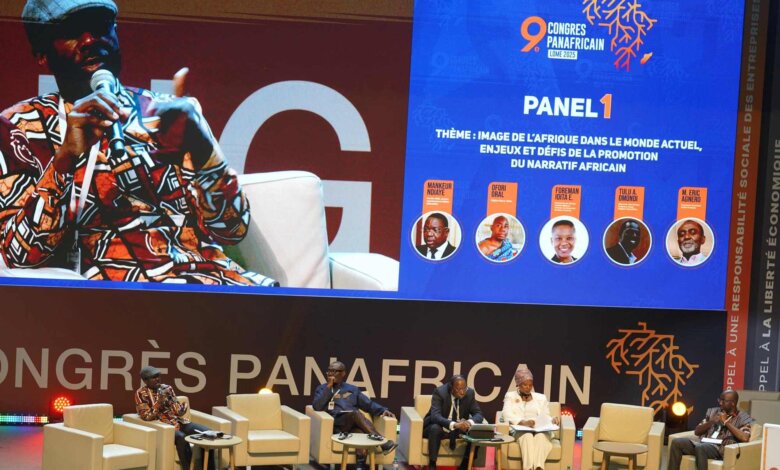
The 9th Pan-African Congress (PAC), convened in Lomé, Togo, from December 8 to 12, 2025, under the theme “Renewal of Pan-Africanism and Africa’s role in the reform of multilateral institutions: mobilising resources and reinventing itself to act,” has adopted a declaration urging for a renewed African Identity that will redefine Pan-Africanism for the 21st century.
Hosted by the Togolese government in collaboration with the African Union, the congress brought together nearly 1,000 delegates, including heads of state, ministers, intellectuals, civil society leaders, artists, youth representatives, women activists, and members of the African diaspora and Afro-descendants worldwide.
Building on preparatory regional conferences held in Brazil, Dar es Salaam, and Rabat, the gathering emphasized actionable outcomes to advance continental integration, global influence, and the vision of “the Africa we want” as outlined in the AU’s Agenda 2063.
The final declaration points out the urgent need to renew Pan-African ideals amid contemporary challenges, including global inequalities, climate injustice, migration, and economic dependencies.
It highlights reparatory justice, economic self-reliance, cultural renaissance, and stronger ties between Africa and its diaspora, with particular solidarity expressed for Haiti’s historical struggles against colonial debts.
In terms of reparations and restitution, delegates called for the establishment of dedicated funds to support the restitution of cultural assets, land reforms, and recognition of Africa’s historical contributions to global civilization.
They specifically acknowledged the unjust debt imposed on Haiti for its independence and urged international reparatory measures for historical injustices.
Regarding the reform of global governance, a strong advocacy emerged for enhanced African representation in multilateral institutions, pushing for systemic reforms to create a fairer, more balanced world order grounded in sovereignty, social justice, equity, peace, and shared prosperity.
On cultural identity and renaissance, the congress promoted the integration of African histories, cultures, and languages into education, media, and public life, endorsing the creation of Pan-African media platforms and the widespread adoption of the Pan-African passport to foster unity and mobility.
For economic Pan-Africanism, emphasis was placed on mobilizing resources for Africa’s emergence, prioritizing self-centred development, intra-African trade, and sustainable economic transformation.
The declaration recognizes the diaspora’s vital role in development and identity, calling for formalized mechanisms to strengthen ties, facilitate investments, and integrate Afro-descendants into continental initiatives.
The empowerment of youth and women was also central, as the pivotal contributions of youth and women to the Pan-African movement were highlighted, with commitments to greater recognition, inclusion, and leadership opportunities. Click link below to download full document of final declaration…
________________________________________________________________________________________
Among the major outcomes and forward actions, the congress decided on the establishment of an International Congress Committee, supported by thematic subcommittees, to ensure ongoing implementation of recommendations.
There is a firm commitment to embedding Pan-African values in national curricula and public awareness campaigns. Support was extended to legacy projects such as UNESCO’s General History of Africa to preserve and promote shared narratives.
Finally, a forward-looking agenda was adopted to pursue these priorities in global forums, reinforcing Africa’s unified voice. The Lomé declaration reaffirms that a divided Africa is vulnerable, while a united one is unstoppable.
Written by Abeeb Lekan Sodiq