Burkina Faso inaugurates two data centres
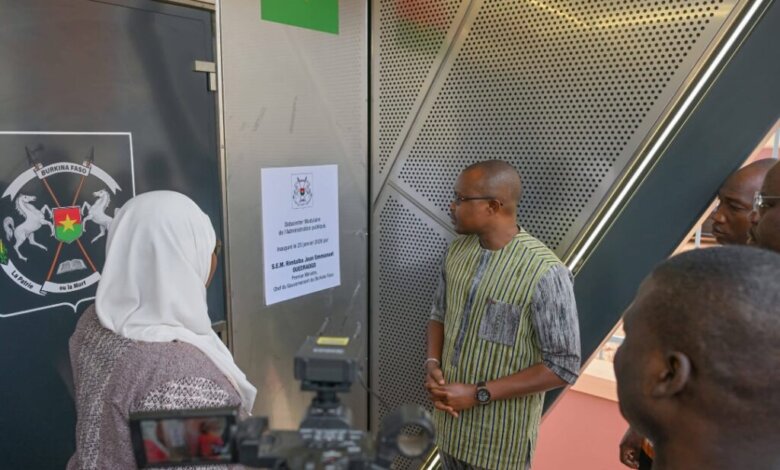
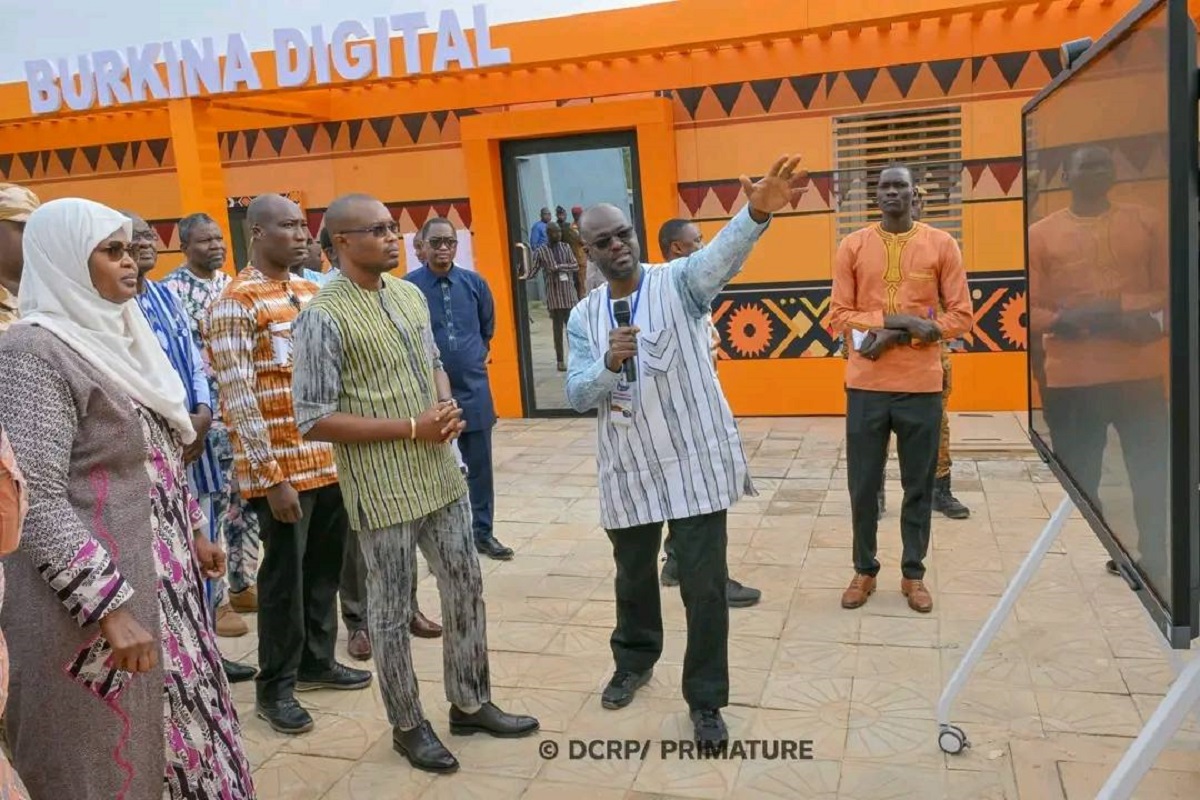
Burkina Faso has advanced its push for digital independence with the launch of two modern, modular data centres in the capital, Ouagadougou, a development authorities describe as a turning point in the country’s digital transformation journey.
The facilities were officially inaugurated on Friday, January 23, 2026, following an investment of 15 billion FCFA to strengthen national digital infrastructure.
The project marks the formal rollout of the government’s “zero data outsourcing” policy, under which all data generated by public institutions and currently hosted outside the country will be progressively repatriated.
Government officials say the initiative is critical to safeguarding sensitive state information, reducing exposure to external risks, and asserting Burkina Faso’s digital sovereignty at a time when data security has become a strategic national concern.
Designed as the backbone of the country’s digital ecosystem, the new data centres will host core government platforms, databases, and e-services. They are expected to support a wide range of public administration functions, from citizen-facing digital services to internal government operations, while also laying the groundwork for future e-government reforms and expanded digital governance.
Beyond security and sovereignty, the authorities have highlighted the economic benefits of the project. By limiting reliance on foreign data hosting and outsourcing arrangements, the state expects to significantly reduce long-term operational expenses.
Prime Minister Jean Emmanuel Ouédraogo, who presided over the inauguration ceremony, said the facilities would create substantial economies of scale, estimating cumulative savings of between 85 and 95 billion FCFA over the next decade.
Officials also view the data centres as a strategic investment in resilience and efficiency, enabling better coordination across ministries and improving the reliability of digital public services.
In the long term, the infrastructure is expected to support innovation, strengthen institutional capacity, and position Burkina Faso to better manage its digital future under full national control.
Written by Oral Ofori