Africa prepares for landmark 9th Pan-African Congress in Togo
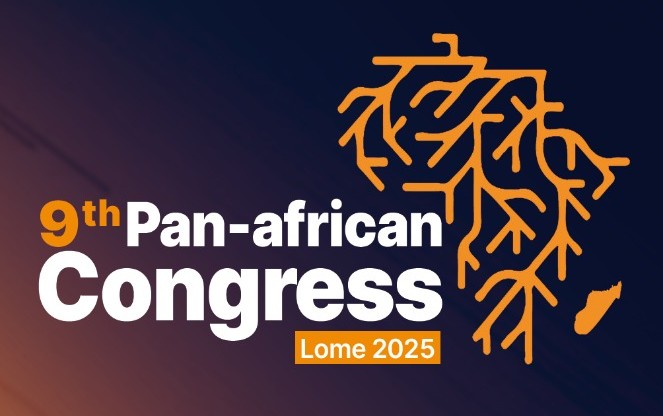
Africa is preparing for a defining diplomatic and cultural moment as the African Union (AU) and the Government of Togo gear up to host the first officially recognised Pan-African Congress in more than three decades.
Scheduled for December 8–12, 2025, in Lomé, the gathering aims to breathe new life into the 125-year-old Pan-Africanist movement at a time when global power dynamics are shifting sharply. The return of the Congress comes against the backdrop of renewed calls from African nations for fairer representation in multilateral institutions, particularly the United Nations Security Council, the IMF, and the World Bank.
These structures, critics argue, still operate on post–World War II rules that limit Africa’s influence. The Lomé meeting is therefore expected to examine how the continent can assert stronger agency in global decision-making, strengthen ties with the Diaspora, and advance cultural restitution and historical justice.
Although the 2025 event is historic, its roots stretch back to 1900 when Trinidadian lawyer Henry Sylvester Williams convened the first Pan-African gathering in London to challenge colonial rule and racial discrimination.
Over the next several decades, congresses in Paris, New York, and other global capitals drew thinkers such as W.E.B. Du Bois and nurtured the political consciousness that later fuelled African and Caribbean independence movements. The 5th Congress in Manchester in 1945 became especially consequential, with figures like Kwame Nkrumah and Jomo Kenyatta using the platform to build alliances that accelerated decolonisation.
In 1974, Dar es Salaam hosted the last AU-recognised edition under President Julius Nyerere, marking the first Congress held on independent African soil. This long historical arc sets the stage for Lomé, where heads of state, ministers, scholars, youth leaders, civil society groups, legal experts, and Diaspora representatives will convene.
The meeting organised by the AU Commission and the Togolese government follows a year of mobilisation efforts, including six regional consultations in Africa and the Diaspora. Its theme, “Renewal of Pan-Africanism and Africa’s Role in Reforming Multilateral Institutions,” points out AU’s ambition to modernise the movement and align it with current global realities.
At the centre of the AU’s preparations is its Citizens and Diaspora Directorate (CIDO). Director Ambassador Amr Aljowaily explains that the AU Summits of 2024 and 2025 explicitly mandated the Commission to co-organise the 9th PAC.
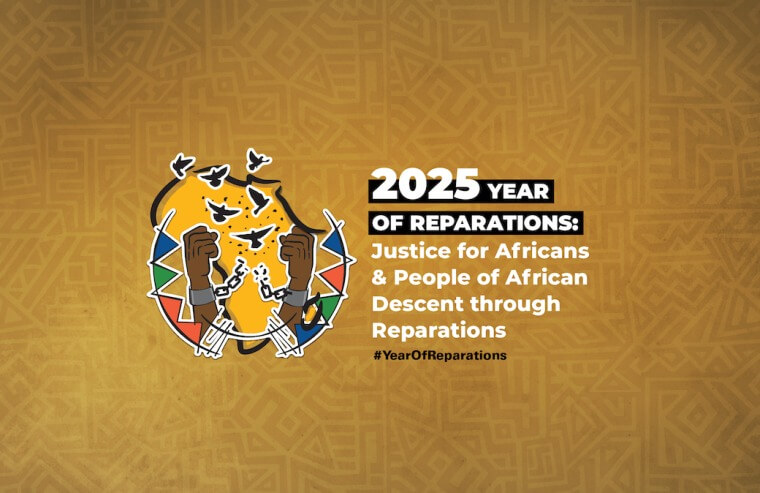
He said the comprehensive pre-congress work positions Lomé to produce tangible proposals that African leaders can adopt. Aljowaily also highlighted that the Congress dovetails with the AU’s 2025 Theme of the Year, Justice and Reparations, which focuses not only on historical injustice but also on systemic inequities in governance, climate, and economic frameworks.
One of the most sensitive issues on the agenda is the rebuilding of Africa–Diaspora relations. Togo’s Foreign Minister, Prof. Robert Dussey, argues that many Afro-descendants feel emotionally distant from the continent due to limited engagement on matters such as slavery memorialisation, racism, and reparations.
He sees the Lomé Congress as a chance to confront these concerns directly. This effort aligns with the AU’s recognition of the Diaspora as the continent’s “sixth region” and with the Decade of African Roots and the African Diaspora (2021–2031), which calls for deeper reconnection, memory work, and pathways for Afro-descendants seeking to return to Africa.
However, not everyone welcomes Togo as host. Hardi Yakubu, Coordinator of Africans Rising, warns that holding the PAC in a country criticised for its democratic environment could undermine the movement’s foundational principles.
He argues that earlier congresses, particularly Manchester 1945 were grassroots-driven forums rooted in anti-authoritarian and pro-democracy ideals. Yakubu cautions that Pan-Africanism must not be associated with governance systems that restrict civic freedoms or silence dissent.
Despite the debates, expectations for the Lomé meeting remain high. Advocates see the 9th Pan-African Congress as a rare opportunity to redefine what Pan-Africanism means in the 21st century.
Written by Oral Ofori